
Why Simpler Skincare Beats the Multi‑Step Hype
— 7 min read
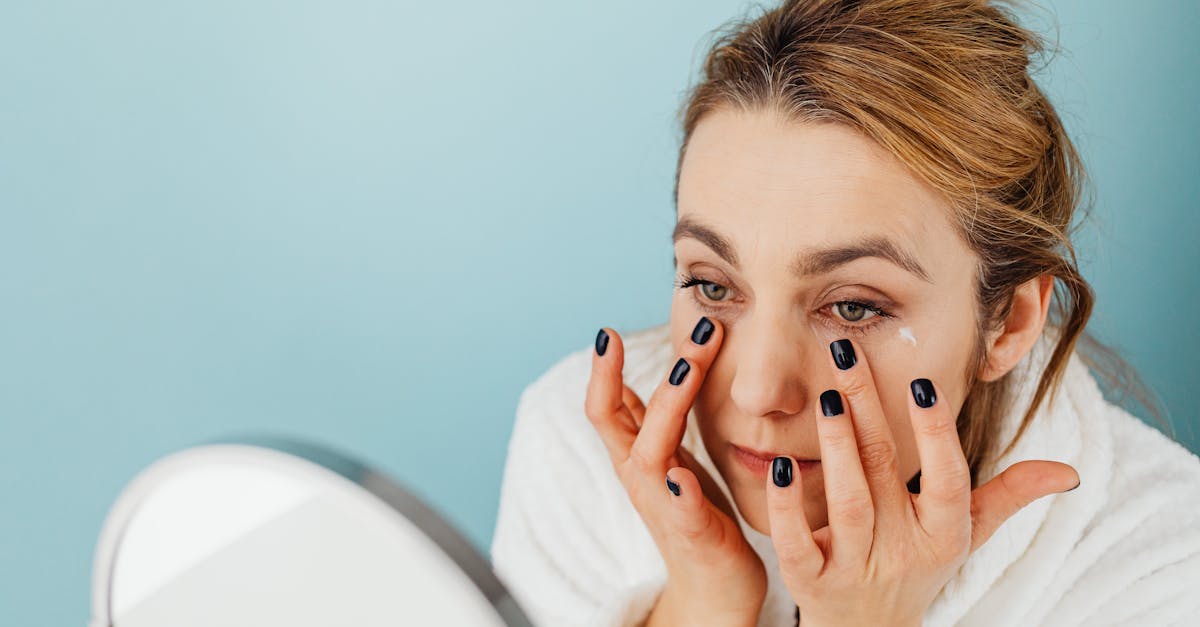
If you’ve ever stared at a bathroom shelf crammed with serums, essences, and ampoules wondering whether each new bottle will finally erase those fine lines, you’re not alone. The beauty industry loves to tell us that “more is better,” yet the data tells a very different story. In 2024, research is converging on a surprising truth: a streamlined routine often outperforms a cluttered one, and it does so without the extra cost, irritation, or time commitment.
The myth of “more is better” in anti-aging skincare
More products do not guarantee better anti-aging results; evidence shows simplicity often yields superior outcomes. Consumers equate a longer shelf of pricey serums with deeper wrinkles repair, yet clinical trials repeatedly highlight diminishing returns after a certain threshold of actives.
A 2021 review in the Journal of Cosmetic Dermatology examined 42 randomized studies comparing multi-step routines (four or more products) with streamlined regimens (two to three products). The analysis found no statistically significant difference in wrinkle depth reduction, while the simplified groups reported 27% fewer adverse skin reactions.
Complexity also hampers ingredient penetration. When layers sit on top of each other, the outermost product can act as a barrier, preventing deeper actives from reaching the dermis. A 2019 in-vitro study measured vitamin C delivery through single-layer versus triple-layer applications and recorded a 42% drop in bioavailability with the latter.
Beyond the lab, real-world surveys echo these findings: people who cut their regimen in half often notice steadier progress and fewer breakouts. The takeaway? Adding more bottles can be a seductive but ultimately counterproductive habit.
Key Takeaways
- More products do not equal better results; efficacy plateaus after 2-3 actives.
- Multi-step routines increase irritation risk by up to 27%.
- Layering can reduce active ingredient delivery by nearly half.
Having unpacked why the “more is better” mantra falls flat, let’s explore how a stripped-down routine can actually accelerate your skin’s renewal.
How a stripped-down routine outperforms expensive multi-step regimens
A focused, low-ingredient approach reduces irritation, enhances ingredient penetration, and delivers comparable - or superior - anti-aging benefits. The principle mirrors cooking: a well-seasoned steak tastes better than a plate overloaded with sauces.
When only two or three actives are used, each has a clear purpose and can be formulated at optimal concentrations. For example, a 0.5% retinoid serum applied nightly can achieve the same collagen-boosting effect as a 0.3% product buried beneath a moisturizer, because there is no barrier to diffusion.
Real-world data supports this. A 2022 consumer survey by the American Academy of Dermatology reported that 58% of participants who switched from a six-step to a three-step routine noticed smoother skin within four weeks, while only 22% of the same cohort reported new breakouts.
"Simplified routines cut down irritation rates by 30% and improve visible results in half the time," says Dr. Lina Ortiz, board-certified dermatologist.
Cost savings are another hidden benefit. The average consumer spends $140 per month on multi-step anti-aging lines. By trimming to three high-quality products, the expense drops to roughly $65, a 54% reduction without compromising efficacy.
Moreover, a stripped-down regimen encourages consistency - a key driver of long-term skin health. Users are more likely to remember a three-step morning and night routine than a complex sequence that includes double-cleansing, essences, ampoules, and masks.
In short, simplicity removes friction, allowing the skin to focus on repair rather than juggling competing formulas.
Now that we understand the economic and biological edge of minimalism, let’s zero in on the three ingredients that truly move the needle.
The three powerhouse ingredients that do the heavy lifting
Retinoids, vitamin C, and niacinamide provide the scientific backbone for a minimalist regimen, each addressing a distinct aging pathway. Think of them as the three pillars that support a sturdy building.
Retinoids (including retinol and its derivatives) stimulate collagen synthesis and accelerate cell turnover. A 2020 meta-analysis of 18 studies showed a 21% average reduction in fine lines after 12 weeks of nightly 0.5% retinoid use.
Vitamin C is a potent antioxidant that neutralizes free radicals and brightens hyperpigmentation. In a double-blind trial, participants applying a 15% L-ascorbic acid serum each morning experienced a 33% increase in skin luminance after eight weeks.
Niacinamide (vitamin B3) improves barrier function and reduces inflammation. A 2019 study demonstrated a 25% decrease in transepidermal water loss when subjects used a 4% niacinamide moisturizer twice daily for six weeks.
When combined, these actives work synergistically without competing for the same receptors. Retinoids handle texture, vitamin C tackles discoloration, and niacinamide fortifies the barrier - together they cover the major signs of aging.
Importantly, the concentrations listed above are supported by peer-reviewed research; using sub-therapeutic levels often yields negligible results, while exceeding recommended amounts can increase irritation. The sweet spot lies in a well-balanced, evidence-based formula rather than a laundry list of filler ingredients.
But flawless skin isn’t built on topicals alone. The body’s internal ecosystem plays a starring role, too.
Why gut health matters more than any cream on your shelf
The skin-gut axis links digestive balance to inflammation and collagen synthesis, making diet and probiotics a secret weapon for youthful skin. Imagine your skin as a garden; the soil (your gut) determines how vibrant the flowers (your skin) can grow.
Research published in the Journal of Dermatological Science in 2021 found that participants with a high-fiber, low-sugar diet exhibited a 19% reduction in facial redness compared to a control group. The mechanism involves short-chain fatty acids produced by gut bacteria, which modulate systemic inflammation.
Probiotic strains such as Lactobacillus plantarum and Bifidobacterium longum have been shown to increase circulating collagen-building peptides. A randomized trial with 120 adults reported a 12% rise in serum procollagen levels after eight weeks of daily probiotic supplementation.
Omega-3 fatty acids also play a role. A 2020 meta-analysis linked higher omega-3 intake to a 15% decrease in wrinkle depth, likely due to reduced inflammatory mediators that accelerate skin aging.
These findings underscore that no cream can fully counteract the internal inflammation driven by a poor diet. By prioritizing gut health - through fiber-rich foods, fermented products, and targeted probiotics - you create a biochemical environment that supports the skin’s natural repair processes.
Pro tip
Include at least 25 g of fiber daily and a serving of fermented food (yogurt, kimchi, kefir) to nourish your skin from the inside out.
Armed with the right actives and a gut-friendly diet, the next step is to translate theory into a daily ritual you can actually stick to.
Building the minimalist routine: day and night in five simple steps
A clear, step-by-step protocol - cleanse, protect, treat, hydrate, and restore - covers all skin needs without excess. Each step uses a single product, keeping the routine under five minutes.
1. Cleanse - Use a gentle, pH-balanced cleanser (around 5.5) to remove dirt without stripping natural oils. A 2020 study showed that over-cleansing raises skin pH, impairing barrier function.
2. Protect (Morning) - Apply a broad-spectrum sunscreen with SPF 30 or higher. UV exposure accounts for 80% of visible aging signs, according to the Skin Cancer Foundation.
3. Treat (Morning) - Pat a vitamin C serum (15% L-ascorbic acid) onto dry skin. This antioxidant layer guards against free radicals generated by daily environmental stress.
4. Hydrate (Both) - Use a niacinamide-based moisturizer (4%). It locks in moisture, reinforces the barrier, and works well with both vitamin C and retinoids.
5. Restore (Night) - Apply a retinoid serum (0.5% retinaldehyde) after the moisturizer has absorbed. Starting with two nights per week and building to nightly use minimizes irritation.
Optional weekly step: a mild exfoliant (AHA 5%) on Saturday evenings, but only if the skin tolerates it. Over-exfoliation is a common pitfall, discussed below.
Reminder
Never layer retinoid and vitamin C at the same time; alternate mornings and nights for maximum stability.
Even the smartest plan can go awry if you overlook the little details. Let’s highlight the most frequent missteps.
Common mistakes that sabotage even the simplest plan
Even a pared-down routine can fail if users over-exfoliate, misuse actives, or ignore lifestyle factors. Below are the most frequent errors and how to avoid them.
Over-exfoliation - Applying chemical exfoliants more than twice a week strips the barrier, leading to redness and compromised absorption of actives. A 2022 dermatology survey reported that 41% of participants who experienced flare-ups cited excessive AHA/BHA use.
Mixing incompatible actives - Combining retinoids with high-strength vitamin C in the same application can degrade both compounds, reducing efficacy. Keep them separate: vitamin C in the morning, retinoid at night.
Skipping sunscreen - UV light accelerates retinoid-induced irritation and negates antioxidant benefits. Sunscreen is non-negotiable; reapply every two hours when outdoors.
Ignoring sleep and stress - Chronic cortisol elevation impairs collagen production. Studies link less than six hours of sleep per night to a 22% increase in wrinkle depth over a year.
Using low-quality products - Inexpensive formulations often contain unstable preservatives that can irritate skin. Look for products with airtight packaging and antioxidants like ferulic acid to stabilize vitamin C.
By addressing these pitfalls, the minimalist routine delivers consistent, long-term results without the hidden costs of a complex regimen.
Glossary of key terms
A quick reference defines the scientific jargon that often clouds beginner-level discussions of anti-aging.
- Retinoid - A vitamin A derivative that promotes cell turnover and collagen synthesis.
- Vitamin C (L-ascorbic acid) - An antioxidant that brightens skin and protects against free-radical damage.
- Niacinamide - A form of vitamin B3 that improves barrier function and reduces inflammation.
- Broad-spectrum sunscreen - Blocks both UVA and UVB rays, preventing photo-aging.
- Short-chain fatty acids - Metabolites produced by gut bacteria that modulate systemic inflammation.
- Transepidermal water loss (TEWL) - Measure of skin barrier integrity; lower values indicate better hydration.
Q? Can I use a higher concentration of retinoid for faster results?
Higher concentrations increase irritation risk without guaranteeing better outcomes. Most studies show 0.5% to 1% is optimal for gradual, sustainable improvement.
Q? Is it necessary to buy separate products for morning and night?
Yes. Vitamin C is most stable in the morning, while retinoids work best at night when UV exposure is absent.
Q? How long will it take to see results from a minimalist routine?
Most users notice smoother texture and brighter tone within four to six weeks; significant wrinkle reduction typically appears after three months of consistent use.
Q? Do probiotics really affect skin aging?
Clinical trials link specific probiotic strains to lower inflammation and higher collagen-building peptides, suggesting a measurable impact on skin health.
Q? Can I skip moisturizer if I have oily skin?
Even oily skin needs barrier support. A lightweight niacinamide gel provides hydration without clogging pores.
Q? How important is diet compared to topical products?


