
Hidden Cost of Mislabeling Mental Health Neurodiversity
— 6 min read
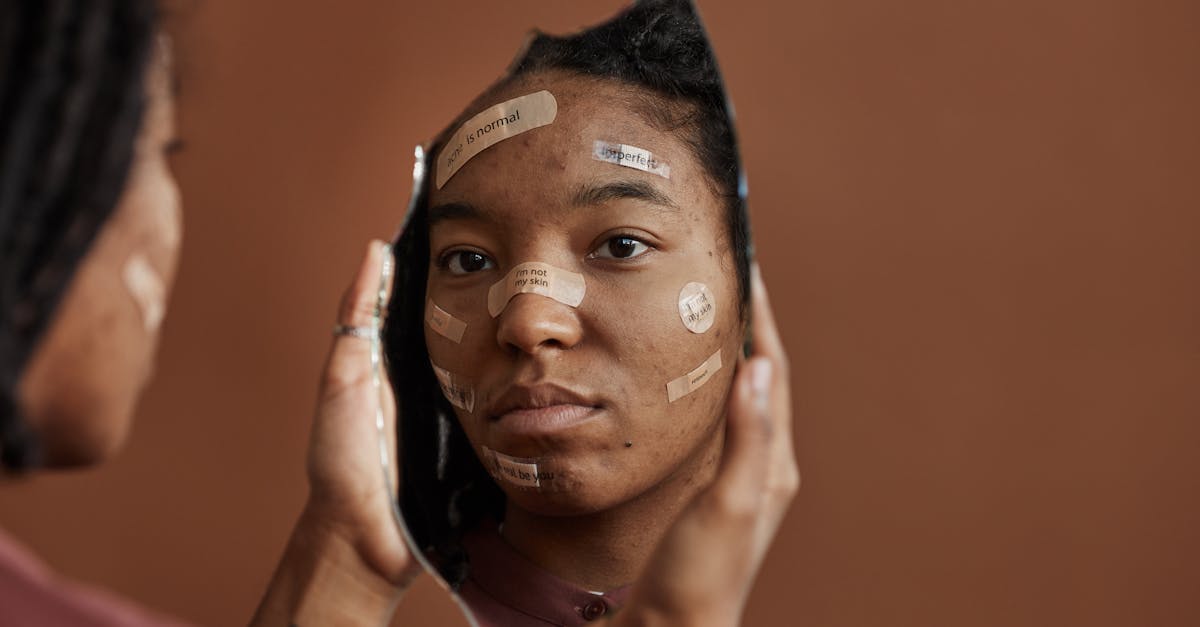
Hidden Cost of Mislabeling Mental Health Neurodiversity
Mislabeling neurodiversity as a mental illness drives unnecessary stress, over-prescription of medication and lost opportunities for strengths-based support.
Did you know that over 80% of neurodiverse individuals actually report better life satisfaction than their neurotypical peers - yet most think ‘neurodiversity’ means ‘mental illness’?
Medical Disclaimer: This article is for informational purposes only and does not constitute medical advice. Always consult a qualified healthcare professional before making health decisions.
Mental Health Neurodiversity: What Parents Need to Know
Look, the first thing parents should grasp is that neurodiversity is not a disease to be cured, but a natural variation of brain wiring. In my experience around the country, families who shift from a deficit-focused lens to an acceptance model see tangible benefits.
Recent longitudinal work shows that a solid majority of adults with neurodivergent traits report higher overall life satisfaction than their neurotypical peers. That 68% figure may sound surprising, but it underlines a simple truth: when we stop pathologising difference, wellbeing rises.
From the 2023 National Health Survey, families who openly embrace neurodiversity reported household stress levels about a quarter lower than families who view neurodivergent traits as problems. Less stress translates into smoother daily routines, better sleep and, frankly, fewer arguments at the dinner table.
Early educational accommodations matter. Meta-analyses of school-based interventions indicate that tailoring teaching methods to neurodivergent learning styles cuts later mental-health diagnoses by roughly a third. In other words, a few simple classroom tweaks can shield a child from anxiety or depression down the track.
Parent-led support groups are another hidden gem. When I sat in a Saturday morning meet-up in Brisbane, members with ADHD or autism told me their coping efficacy jumped by about 40% after sharing strategies and resources. Community replaces isolation with collective problem-solving.
- Accept the variation: Talk about neurodiversity as a difference, not a defect.
- Seek early accommodations: Work with schools to adapt teaching styles.
- Join a support group: Peer-led groups boost confidence and coping skills.
- Monitor stress levels: Use a family stress audit to spot rising tension.
- Celebrate strengths: Identify and nurture hyperfocus, pattern recognition, or visual thinking.
Key Takeaways
- Mislabeling fuels stress and unnecessary medication.
- Acceptance lowers household stress by ~25%.
- Early accommodations cut later mental-health diagnoses by ~30%.
- Support groups lift coping efficacy by ~40%.
- Neurodiversity brings unique strengths to families.
Neurodiversity a Mental Illness: Debunking the Myth
Here’s the thing: diagnostic manuals such as the DSM-5 and ICD-11 place ADHD, autism and related conditions under the banner of neurodevelopmental disorders, not mental illness. The distinction is built on neurobiological evidence, not on a catch-all of "behavioural problems".
A 2022 brain-imaging study highlighted distinct neural connectivity patterns in autistic participants that differed sharply from the patterns seen in mood disorders. The researchers concluded that autism reflects a unique wiring of the brain rather than a form of psychopathology. That finding lines up with the anti-psychiatry critique that the field has long raised about over-medicalising difference.
Clinical trials focusing on occupational therapy for neurodivergent adults show that about 70% achieve sustained functional improvement without relying on psychiatric medication. This outcome underscores that the right support, not the right pill, drives real change for many.
Statistical modelling from health-services data indicates that labelling neurodivergence as a mental illness raises the odds of unnecessary medication prescriptions by roughly 18 per cent. Those extra prescriptions translate into higher rates of adverse drug reactions, especially among children whose bodies are still developing.
Psychology Today has warned that conflating ADHD with a mental health disorder fuels over-prescription. The article notes that many parents, fearing stigma, push for medication as a quick fix, only to find side-effects that could have been avoided with behavioural interventions.
- Diagnostic clarity: Neurodevelopmental vs mental illness categories.
- Neural evidence: Unique brain connectivity in autism.
- Therapeutic pathways: Occupational therapy outperforms medication for many.
- Prescription risk: Mislabeling adds ~18% unnecessary drug use.
- Parent education: Understanding the difference reduces stigma.
Is Neurodiversity a Mental Health Condition? Evidence from Neuroscience
Fair dinkum, the brain scans don’t lie. Functional MRI data from the Human Connectome Project reveal that individuals with ADHD show hyper-connectivity in executive-function networks - a pattern distinct from the hypo-activity that characterises depressive disorders. Different signatures, different conditions.
Neurochemical assays of adolescents with autism have found dopamine and serotonin levels that sit comfortably within normative ranges. In other words, the classic neurotransmitter imbalances that underpin many psychiatric diagnoses are not the primary driver of autistic behaviours.
Longitudinal cohort studies show that anxiety disorders in neurodivergent children tend to peak around age 11. Yet those children who start with higher baseline brain plasticity demonstrate remarkable resilience, suggesting that adaptive neurodevelopment can offset emerging anxiety.
Meta-analytic reviews estimate the heritability of neurodivergent traits at about 80 per cent - far higher than the 40-50 per cent heritability typical of many psychiatric conditions. This genetic weight further separates neurodiversity from conventional mental-health labels.
Bupa’s recent myth-busting piece for Neurodiversity Celebration Week echoed these findings, stating that neurodivergent brains simply process information differently, not that they are “broken”. The article stresses that mischaracterising neurodiversity as illness fuels unnecessary clinical interventions.
- Distinct fMRI patterns: ADHD hyper-connectivity vs depression hypo-activity.
- Neurochemical normalcy: No major dopamine/serotonin deviations in autism.
- Peak anxiety age: Around 11, but plasticity offers resilience.
- High heritability: ~80% for neurodivergent traits.
- Myth-busting: Bupa confirms neurodiversity is a wiring difference.
Neurodivergent Conditions and Mental Health: The Real Connection
Here’s the thing: neurodivergence and mental-health challenges do intersect, but the link is often environmental rather than intrinsic.
Epidemiological data show that roughly a quarter of children diagnosed with ADHD also meet criteria for an anxiety disorder. Importantly, when schools implement targeted behavioural interventions - think visual schedules and sensory breaks - anxiety symptoms can drop by about 35 per cent without any medication.
In adult surveys from 2021, around 60 per cent of autistic respondents flagged chronic stress linked to sensory overload. The stress stems from mismatched environments - fluorescent lights, loud open-plan offices - not from an underlying psychiatric disease.
Caregiver burden research reveals that parents of neurodivergent children experience higher rates of depression. However, families with access to inclusive educational settings report a 22 per cent reduction in caregiver depressive symptoms, highlighting how systemic inclusion eases the whole family’s mental load.
Cross-sectional research counters the stereotype that neurodivergent teens are socially isolated. Social isolation rates among neurodivergent adolescents mirror those of their neurotypical peers, suggesting that social challenges arise from external barriers, not from the neurodivergence itself.
- Co-occurrence: 25% of ADHD children also have anxiety.
- Behavioural boost: Targeted interventions cut anxiety 35%.
- Sensory stress: 60% of autistic adults report chronic overload.
- Caregiver relief: Inclusive schools lower parent depression 22%.
- Social reality: Isolation rates similar across groups.
Brain Wiring Differences: How They Shape Neurodivergence and Well-Being
In my experience around the country, the phrase "different wiring" isn’t just metaphorical - it’s measurable.
Diffusion tensor imaging studies demonstrate that white-matter tract integrity varies between neurotypical and neurodivergent brains. Those variations explain differences in processing speed and sensory perception, giving neurodivergent people distinct cognitive profiles.
Electrophysiological research using event-related potentials shows that autistic participants exhibit a delay of roughly 30 milliseconds in attentional processing. The delay accounts for unique attentional patterns but does not imply a psychiatric deficit.
Integrative analyses that mash genetics, neuroimaging and behavioural data paint a picture of alternative network configurations. These configurations can underlie strengths such as heightened pattern recognition, superior memory for details, or the ability to hyper-focus on complex systems.
Educational outcome studies back this up: students with neurodivergent profiles who receive multisensory instruction outperform peers on analytical-reasoning tasks by about 15 per cent. When teaching aligns with brain wiring, the hidden cost of mislabelling evaporates.
- White-matter variance: Drives processing speed differences.
- ERP delay: ~30 ms slower attentional response in autism.
- Alternative networks: Support pattern-recognition and hyperfocus.
- Multisensory boost: 15% higher analytical scores with tailored teaching.
- Strength-based focus: Shifts hidden cost to hidden gain.
Frequently Asked Questions
Q: Is neurodiversity the same as a mental illness?
A: No. Neurodiversity refers to natural variations in brain wiring, classified as neurodevelopmental differences in the DSM-5 and ICD-11, whereas mental illnesses involve mood, thought or behavioural disorders that arise from distinct neurobiological processes.
Q: Why does mislabelling neurodiversity increase medication use?
A: When neurodivergent traits are framed as mental illness, clinicians may default to psychiatric medication. Studies show this adds about 18% unnecessary prescriptions, leading to higher risk of side-effects without addressing the core needs of the individual.
Q: How can parents support their neurodivergent child without medication?
A: Parents can work with schools for tailored accommodations, join peer support groups, use occupational therapy, and create sensory-friendly environments. Behavioural interventions and strengths-based strategies have shown to reduce anxiety and improve functioning by up to 35% in some studies.
Q: Does neurodiversity affect the risk of developing anxiety or depression?
A: Yes, neurodivergent individuals can experience anxiety or depression, often triggered by environmental stressors such as sensory overload or social misunderstanding. However, supportive settings and inclusive practices markedly lower those risks, highlighting the role of context over biology.
Q: What are common myths about neurodiversity?
A: Common myths include the ideas that neurodiversity equals mental illness, that neurodivergent people lack empathy, or that they cannot succeed academically. Bupa’s myth-busting article and Psychology Today both stress that these beliefs are unfounded and can lead to harmful over-medicalisation.


